Learn by Doing
Interactive tools for the parts of Magic that are easier to see than to read. Click, hover, and step through the mechanics that define how Premodern plays.
Anatomy of an MTG Card
New to Magic? Start here. Every card packs its rules into the same few regions — name, mana cost, type line, text box, power and toughness. Explore a real card part by part, then learn which borders and card backs are actually tournament-legal.
Anatomy of a Card
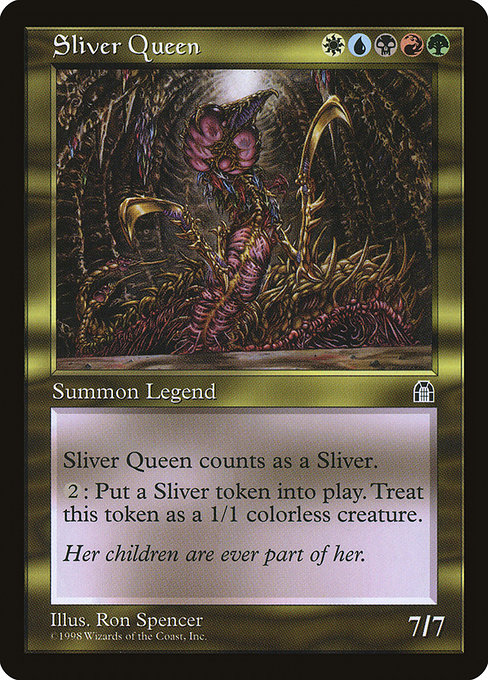
Hover or tap any labelled part of Sliver Queen to see what it does. A five-color legendary creature, it shows the mana cost, the gold multicolor frame, and old-school wording all on one card.
Mana Cost
The symbols in the top-right are what you pay to cast it. {W}{U}{B}{R}{G} means one mana of each color — white, blue, black, red, green. Add the pips up for the converted mana cost (here, 5).
Borders & Backs — what's legal
Not every printed card is tournament-legal. The border color and the card back are the quickest tells for new players sorting real, playable cards from special editions.
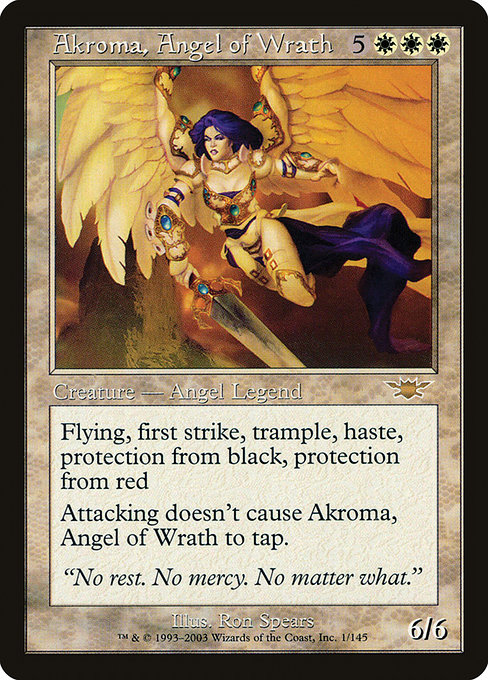
The standard. Every tournament-legal Premodern card has a black border and rounded corners (Akroma, Angel of Wrath - Legions).
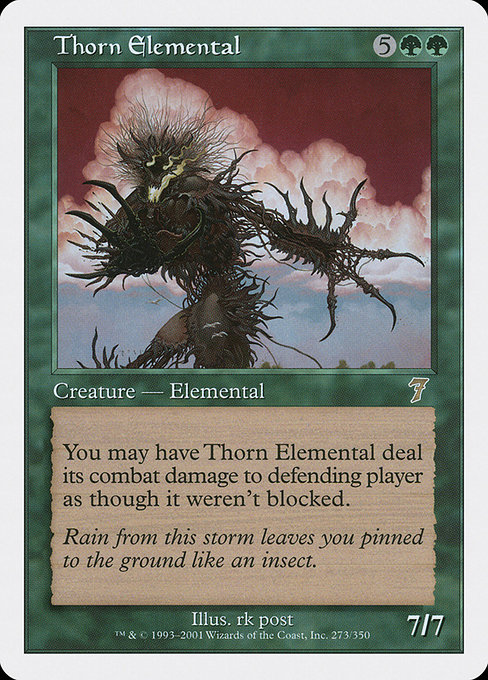
Used by core-set reprints like 7th Edition. The white border is cosmetic only - fully legal to play (Thorn Elemental - 7th Edition).
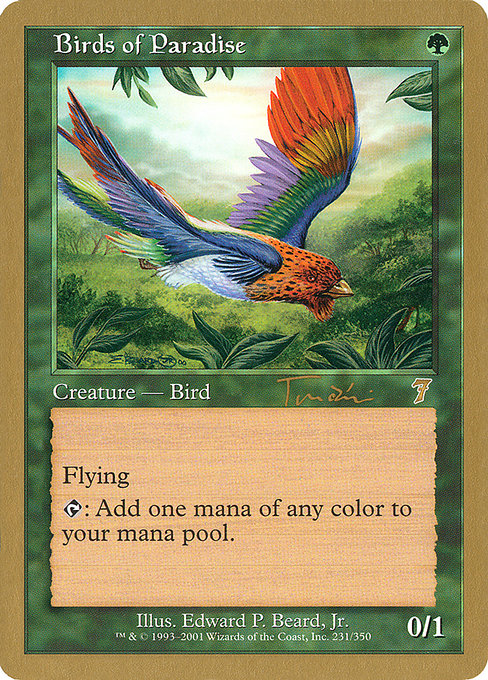
World Championship Decks (this Birds of Paradise is from WC 2000). Usually accepted in the Premodern community — but not guaranteed. Rules vary by event, sponsor, and tournament official, so always confirm before you sleeve it up.
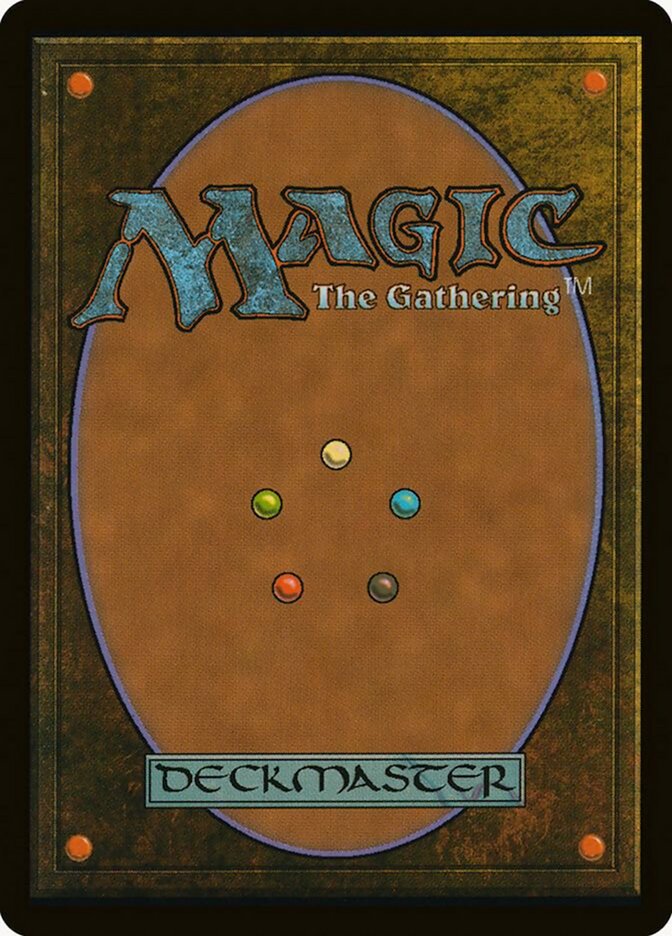
The familiar brown back with rounded corners. Every real, playable Magic card shares it exactly — any mismatch in a deck is a giveaway.

Its own back art and square corners (with a gold or black front border). Officially never tournament legal— but Premodern isn't an officially sanctioned format, so acceptance varies by event. Always confirm first.

World Championship decks have their own back and a gold front border, with rounded corners. Usually accepted in Premodern — but not guaranteed, so confirm with the event before sleeving up.
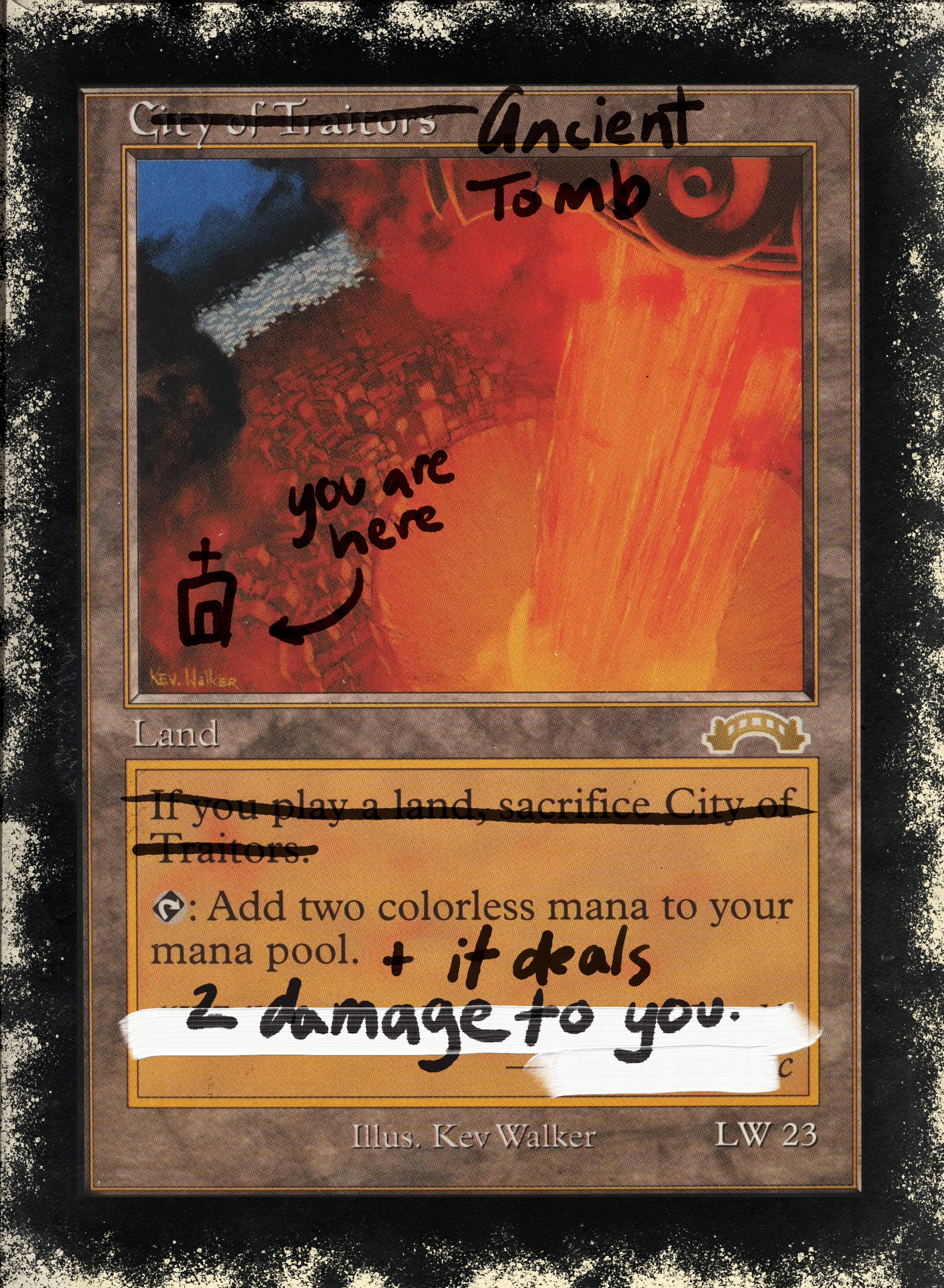
Many Premodern events allow clearly-marked proxies of expensive staples - a legible, standard-back card anyone can read at a glance. This Sharpie-drawn Ancient Tomb captures the spirit: unmistakable, honest, easy to verify. Proxy acceptance still varies by event, so always confirm first.
Sharpie proxy by u/LogicWavelength (Reddit)
The Stack
Spells and abilities don't resolve instantly — they wait on the stack and resolve last-in, first-out. Step through a real exchange to see how priority and responses work.
Interactive Stack Visualizer
Lightning Bolt
Player A
The Initial Cast
"Player A casts Lightning Bolt. It is placed on the stack. Priority passes to Player B."
Responding & Interaction
A spell on the stack hasn't happened yet — which is the whole point of interaction. When you get priority you can respond: answer it, or protect against the answer. Step through real exchanges and watch the last spell in resolve first.
The Stack Simulator: Responding to Spells
A spell on the stack hasn't happened yet. Whenever a spell is cast, the other player gets priority and a chance to respond by putting a spell on top. The stack then resolves Last In, First Out— so the response resolves first. Step through a scenario to watch it happen.
Why respond?
Respond to STOP something: your opponent counters your spell before it ever resolves.
Deal 3 damage to your opponent.
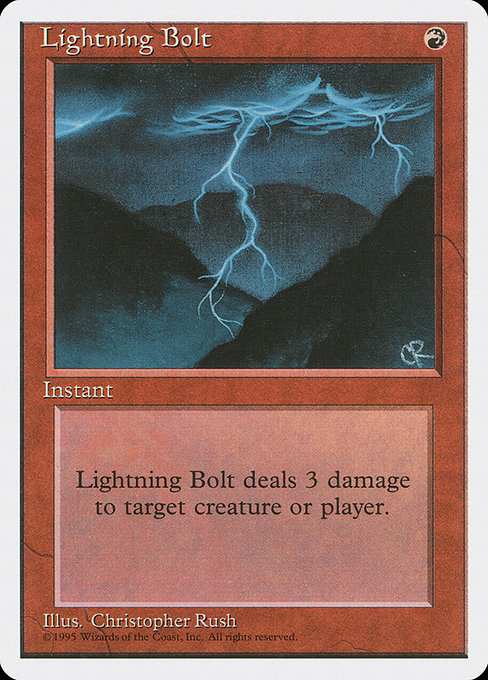
1. You cast Lightning Bolt
Step 1 / 5It is your turn. You have priority, so you cast Lightning Bolt at your opponent. The spell goes on the stack - it has NOT happened yet. Now you pass priority.
Zones Map
Library, hand, battlefield, graveyard, exile, the stack — every card lives in a zone, and most of the game is cards moving between them. Run an action to see the flow.
The Zones Map
Cards move between zones as the game plays out. Pick an action and watch the card travel the playmat.
Zone Simulator
Select an action to watch how cards move between zones. The flow from hand to stack to battlefield or graveyard is fundamental to Magic.
Turn Structure
A turn is a fixed sequence of phases and steps, each with its own priority window. Knowing exactly when you can act is what makes combat tricks and instant-speed plays work.
The Turn Engine
Every Premodern turn runs the same phases and steps. Click any phase or step to see its rules, when players get priority, and the iconic interactions that live there.
Combat
Combat is its own sequence of steps, each with a priority window. Walk an attack through to damage and watch how a combat trick, cast at the right moment, swings the result.
The Combat Simulator
Combat hinges on timing. Step through a classic exchange — a Jackal Pup attacking into Llanowar Elves, with a Giant Growth in hand — to see where the priority window opens.
Beginning of Combat
Last chance for the defender to tap down attackers.
Declare Attackers
Attacking creatures are chosen and tapped.
Declare Blockers
Blocks are assigned - the priority window for combat tricks opens.
Combat Damage
Damage is dealt simultaneously. No spells can be cast here.
End of Combat
“At end of combat” abilities trigger.
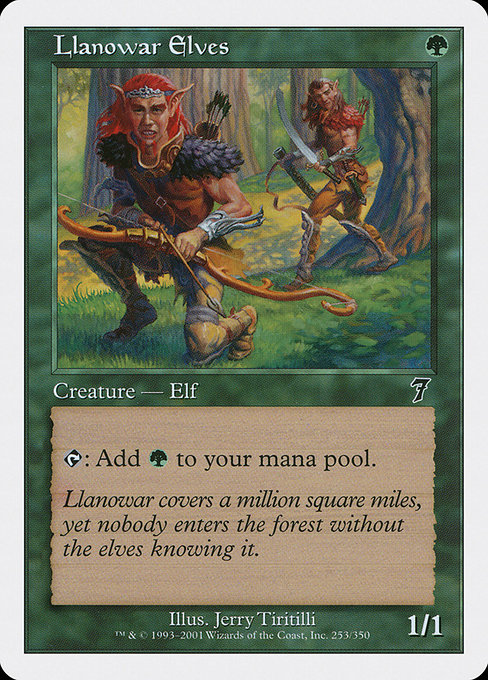
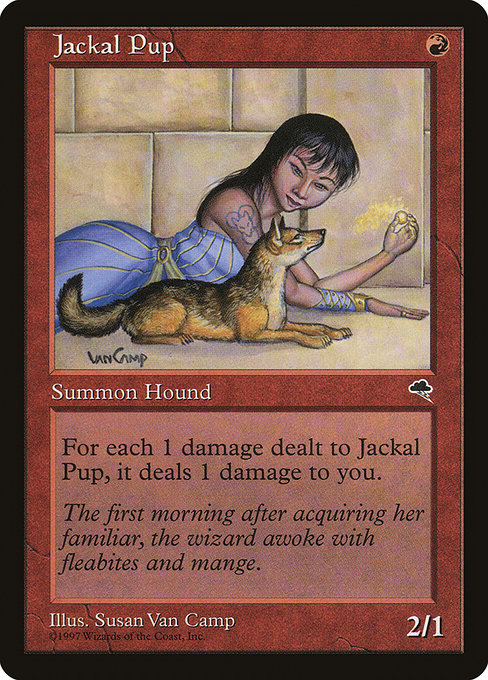
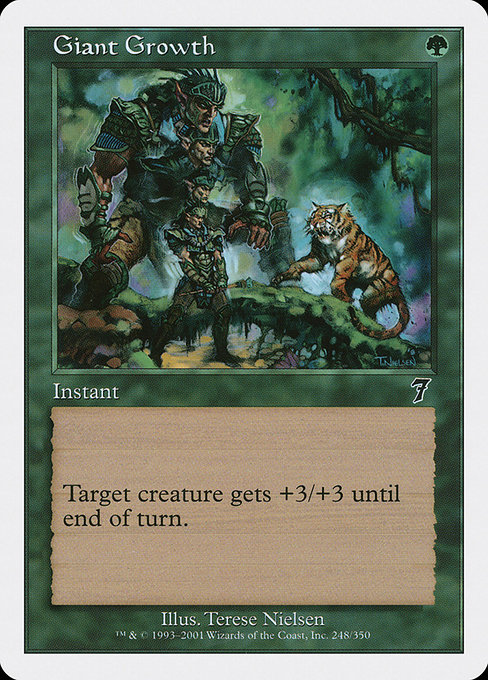
Step 1: Beginning of Combat
The active player enters combat. Both players pass priority - nothing happens yet.
Keyword Sandbox
Premodern leans on mechanics modern Magic retired or rarely prints — regeneration, shadow, phasing, flanking. Run each one on the battlefield to see exactly how it behaves.
The Mechanics Sandbox
Premodern is full of mechanics that are unintuitive or long retired. Pick a keyword and run the scenario to see exactly how it behaves.
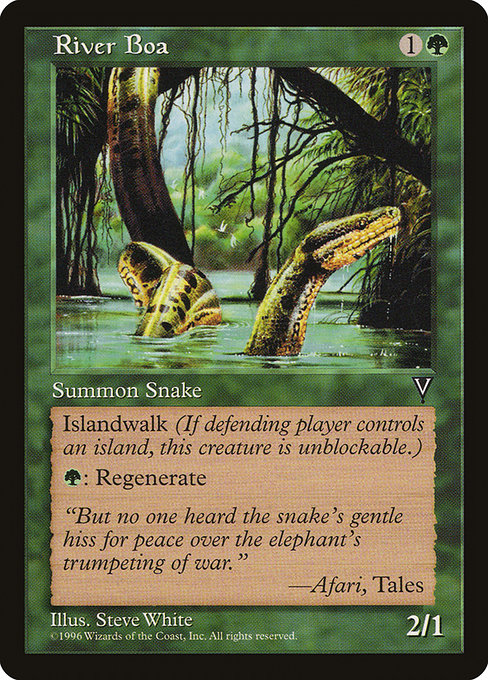
Regeneration
Preventative shield. “The next time this would be destroyed this turn, it isn’t; instead tap it, remove all damage, and remove it from combat.”
Old-Frame Translator
The Old-Frame Translator
Premodern uses today's rules, but the cards use archaic wording. Pick a card, then click a phrase below it to decode what it means now.